This blog may help people explore some of the 'hidden' issues involved in certain media treatments of environmental and scientific issues. Using personal digital images, it's also intended to emphasise seasonal (and other) changes in natural history of the Swansea (South Wales) area. The material should help participants in field-based modules and people generally interested in the natural world. The views are wholly those of the author.
Friday, 16 September 2016
Wednesday, 14 September 2016
Birder's Bonus 172
An interesting array of birds at Saint-Trojan-les-Bains (Ile d'Oleron, France) included White wagtails (Motacilla alba alba); Goldfinch (Carduelis carduelis); a probable Spanish wagtail (Motacilla flava ibericae); Redstart (Phoenicurus phoenicurus); Grey heron (Ardea cinerea); Little egret (Egretta garzetta) and Purple heron (Ardea purpurea).
Seeing the Changes 1117
Other insects of the dunes of Saint-Trojan-les-Bains included wood-devouring ants (Camponotus vagus); grasshoppers (Sphingonotus caerulans); bees (Xylocopa violacea); impaled hoverflies (Helophilus pendulus); Forest bugs (Pentatoma rufipes); ladybirds (Subcoccinella 24-punctata) and numerous dragonflies (Common darters- Sympetrum striolatum). Many of which, presumably attractive to Sand lizards (Lacerta agilis).
Seeing the Changes 1116
Also at Saint-Trojan-les-Bains there were decent numbers of Lepidoptera. By far the most common were Clouded yellows (Colias croceus) but there were smaller numbers of Red admirals (Vanessa atalanta); Painted ladies (Cynthia cardui); Small whites (Artogeia rapae); Grayling (Hipparchia semele); Brown argus (Aricia agestis); Common blues (Polyommatus icarus) and Wall browns (Lasiommata megera). There were also day-flying Hummingbird hawk moths (Macroglossum stellatarum) and Maritime pine trees had impressive 'nests' of caterpillars. The major disappointment was not getting a picture of a pristine Common swallowtail (Papilio machaon) which visited flowers as I returned from the swimming pool (minus camera).
Tuesday, 13 September 2016
Seeing the Changes 1115
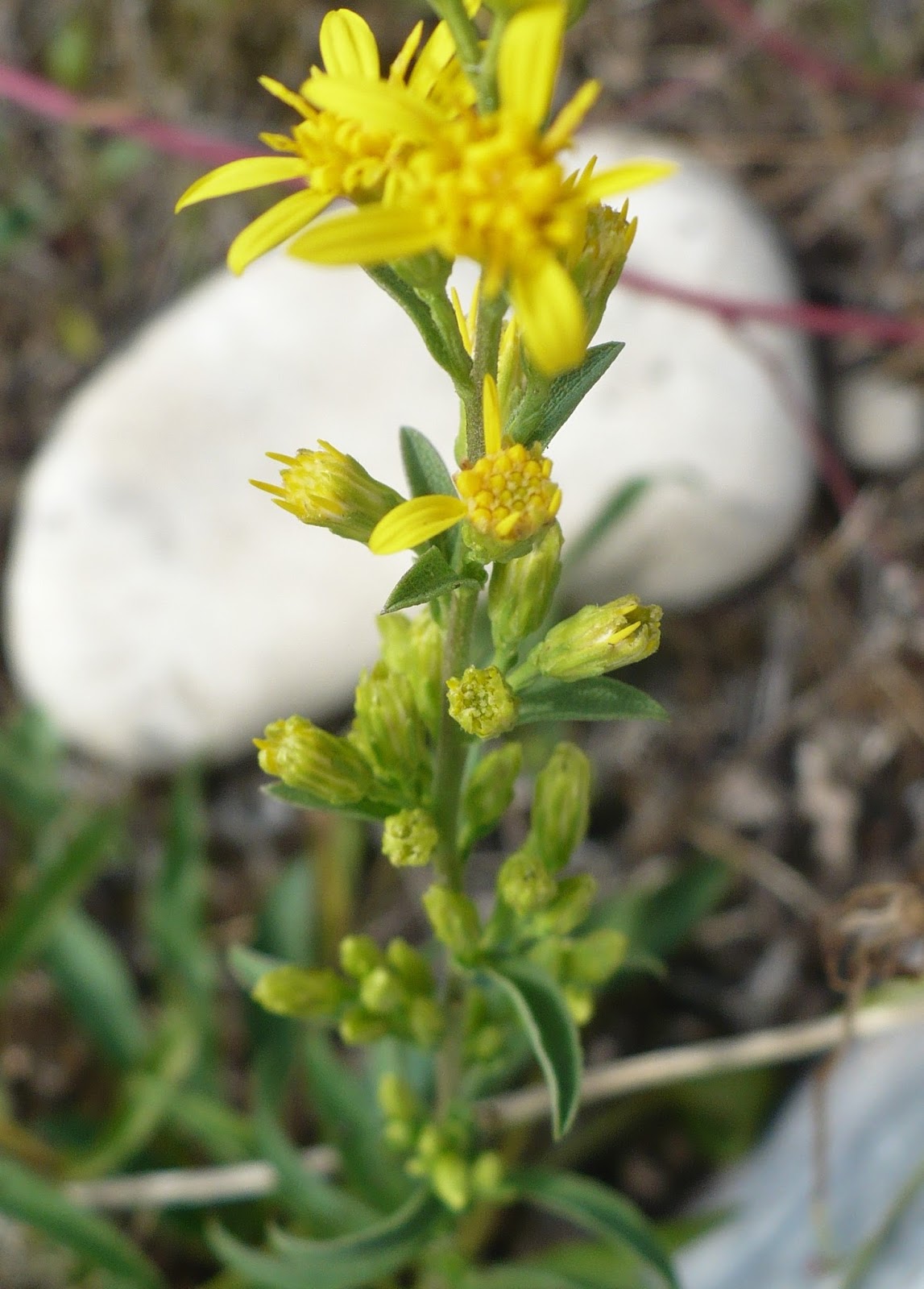
A few of the plants from the dunes around St-Trojan-les-Bains (Ile d'Oleron, France). There was lots of Harestail grass (Ligurus ovalus) and big Maritime pines (Pinus pinaster) shaded the area. Flowers included Viper's bugloss (Echnium vulgare); Sea stock (Matthiola sinuata); Slender knapweed (Centaurea debeauxii); Sea holly (Eryngium maritimum); Sea spurge (Euphorbia paralias); White campion (Silene alba); Chichory (Cichorium intybus); Small-flowered evening primrose (Oenothera salicifolia) and Oxford ragwort (Senecio squalidus).
Friday, 2 September 2016
The Dozy 'Dinosaur'
We are used to thinking that the Age of the Dinosaurs was terminated by events outside their control and that they had neither the intellect nor the flexibility to deal with the climate change associated with a meteor strike. Birds (now viewed to be up-graded mini-dinosaurs) and the apparently more intelligent Mammals inherited the planet. But what should we think about 'dinosaurs' that a) refused to recognise developing climate trends and their responsibility for it; b) showed more concern about accumulating pieces of metal and sheets of paper than changing their behaviour? Welcome to the Anthropocene.
Subscribe to:
Posts (Atom)