This blog may help people explore some of the 'hidden' issues involved in certain media treatments of environmental and scientific issues. Using personal digital images, it's also intended to emphasise seasonal (and other) changes in natural history of the Swansea (South Wales) area. The material should help participants in field-based modules and people generally interested in the natural world. The views are wholly those of the author.
It's caterpillar tracks out there. In Bynea, noted a scuttling Woolly bear, larva of the Garden tiger moth (Arctia caja). In Penclacwydd, the larva of a Buff-tip moth (Phalera bucephala) sulked on the cycle path.
Yet another group of humans blames a species of animal for something that they probably contribute to themselves. Fresh water anglers are again calling for a cull of Cormorants (Phalacocorax carbo), a bird they call 'Black death' and blame for a shortage of fish in lakes, streams and rivers (http://www.guardian.co.uk/environment/2012/aug/11/anglers-cormorants-cull?INTCMP=SRCH). They never seem to consider that a) humans appear to be producing major changes in water bodies via inducing climate change and b) angling itself will have an impact on fish populations even if the captures are returned to the water. The Cormorants also have little choice other than to try to take the fish that are their only food. It's eat or die out there!
Nice when a bit of natural history enters the olympics. In the Women's 10k open water swim in London's Serpentine, the pundits argued about the identity of an interferring waterfowl. It was clearly a Coot (Fulica atra) and not a Moorhen!
George Monbiot has argued (http://www.guardian.co.uk/commentisfree/2012/aug/06/price-rivers-rain-greatest-privatisation) that the recent UK Government obsession with working out the 'value' (exclusively to humans) of the 'environmental processes' (such as woodland, rivers and pollinating insects) is inevitably flawed as it is impossible to separate out the value of components of highly complex and integrated systems, involving many processes. I must admit that I also tend to view such attempts as reflecting an anthropocentric world view where everything is seen in terms of its benefits to humans (and, perhaps, even to certain groups of humans). I am not so sure that the entire planet is necessarily obsessed with catering for our species.
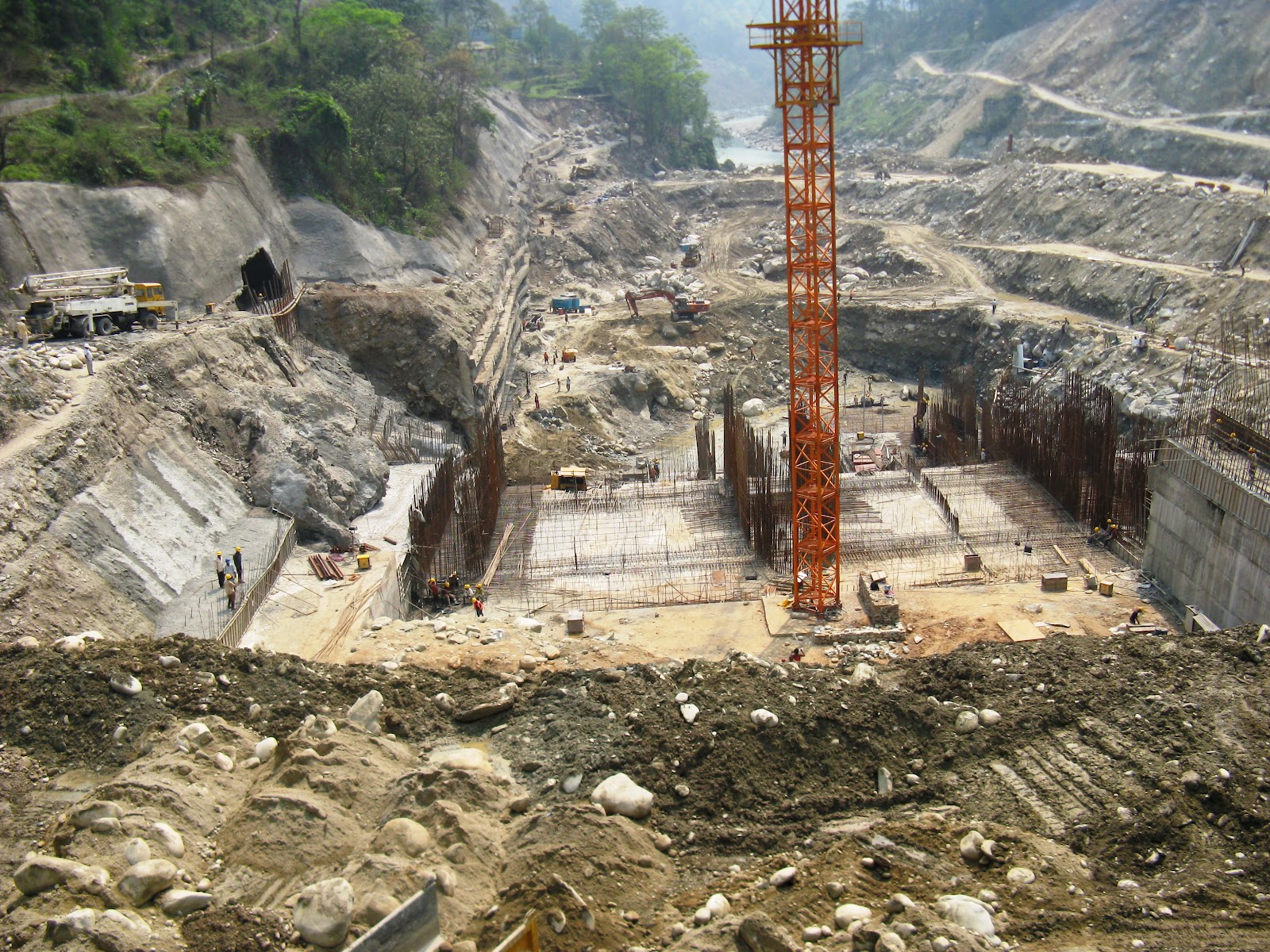
The recent problems with electrical supplies in North and East India (http://www.guardian.co.uk/global-development/poverty-matters/2012/aug/01/india-power-struggle?INTCMP=SRCH) bode badly for the substantial Himalayan rivers that flow through the tiny land-locked state that borders Tibet. There are already numerous planned hydroelectric schemes for this area and the apparently insatiable demand for electricity in the populous areas surrounding the state seem likely to intensify the pressure for such developments. Populations will be displaced and the natures of the downstream rivers and land will be dramatically changed.



+with+flounder+Loughor+estuary.JPG)
++Serpentine.jpg)



+double+flowered+Swansea+Bay.jpg)


%20mating%20NWCW.jpg)