Tuesday, 13 May 2025

2050 Only an Arbitrary Date?


The UK opposition's energy spokesman contends that reaching net zero of carbon emissions by 2050, is an arbitrary target. He claims there's no 'scientific rationale' for that date and that the UN's Intergovernmental Panel on Climate Change is 'biased'. This politician (scientific qualifications please?) says he's not a climate change denier.  He maintains, however, that the country can't be 'hamstrung' by the 2050 date. He even speculates that his current leader might take the UK out of the Paris Climate Agreement (https://www.theguardian.com/politics/2025/may/13/tory-shadow-energy-minister-claims-2050-net-zero-goal-not-based-on-science). This is a calculated piece of  'cakeism' (having your cake and eating it). Not denying the problem but not doing anything about it that might annoy certain voters. If anything, 2050 will be too late to prevent average global temperatures rising more than 2 degrees Centigrade above pre-Industrial levels. Temperatures can only start to slowly come down, when there's less 'greenhouse gas' in the atmosphere. Given the existence of tipping points (e.g. loss of polar ice caps), 2050 could be too late. Science tells countries, like the UK, they should be aiming to get to net zero well before that date.  

Monday, 12 May 2025

Seeing the Changes 2167


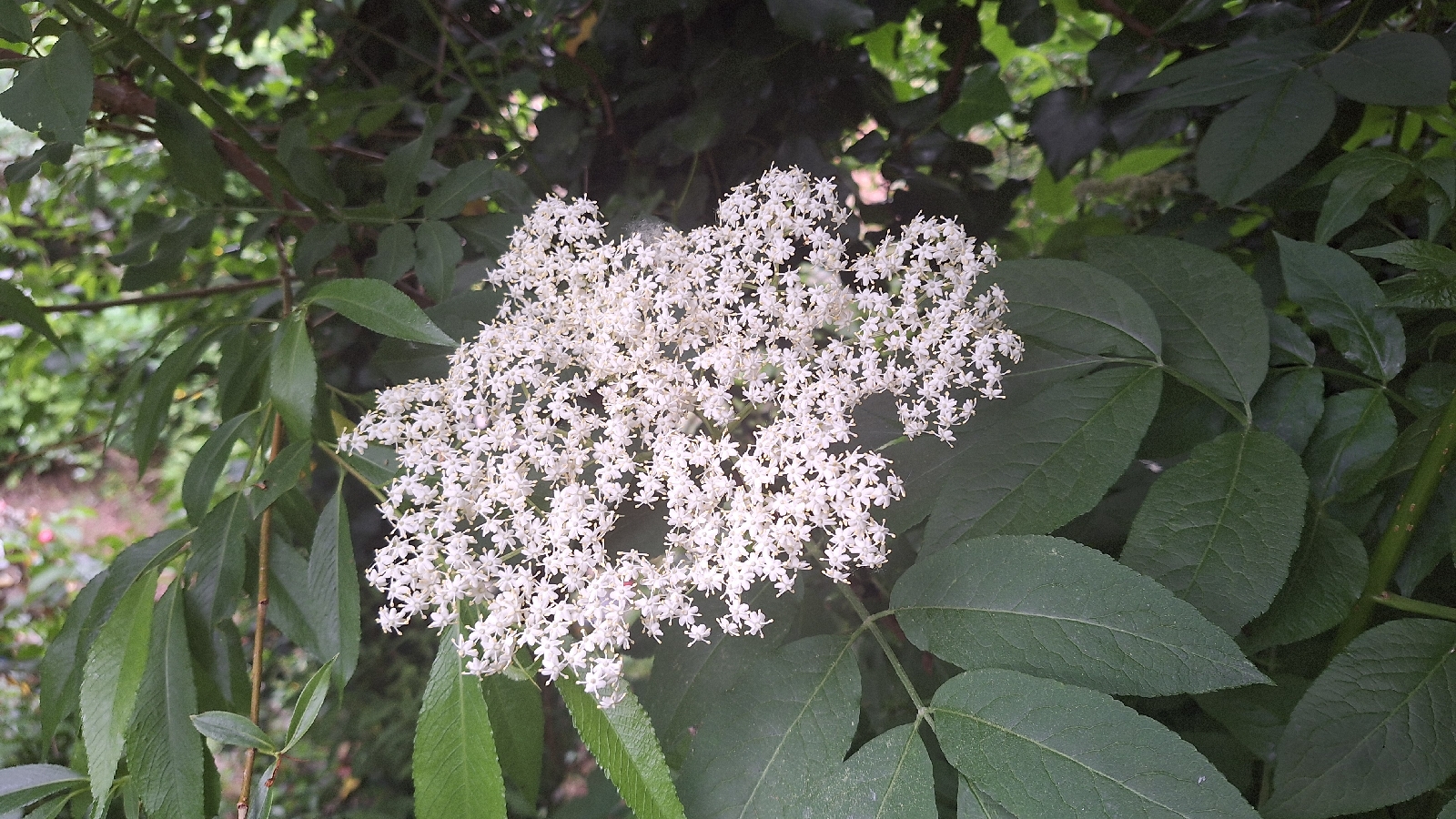
In Bynea, Black knapweed (Centaurea nigra) and Elder (Sambucus nigra) were both in flower.

Little UK Biosecurity Cash Used to Tackle Invasives


The Animal and Plant Health Agency (ALPHA) have established that only a tiny fraction of the UK's substantial biosecurity budget is spent tacking invasive species. Invasives endanger British wildlife (including Water voles and ladybirds); homes (e.g. Japanese knotweed); businesses and local green spaces (e.g. rampant rhododendron). The only invasive currently receiving a lot of attention, is the Asian hornet, a serious danger to Honey bees and other pollinators (https://www.theguardian.com/environment/2025/may/12/less-than-1-of-uk-biosecurity-budget-goes-on-tackling-invasive-species-figures-show). It makes you wonder about the focus of the UK's biosecurity. Invasives can't be left to volunteers and local enthusiasts . ALPHA confirm that local groups have received only £250,000 of the total millions. 

Sunday, 11 May 2025

Seeing the Changes 2166


In Bynea, Dog rose (Rosa canina) was in bloom. A Lackey moth (Malacosoma neutria) larva scuttled whereas a Cinnabar (Tyria jacobaea) imago flew. 

Personalised Patient Plans?


The Director of the Scripps Research Translational Institute (Eric Topol) has published a book advocating 'precision medicine'. Topol maintains, that if we ban pseudoscience we could increase general health in later life. He thinks we are on the verge of preventing cancer as well as heart and neurodegenerative disease. The formula, he says, is simple. Eat lots of fruit, vegetables, whole grains and fish, so so-called Mediterranean diet. Go easy on caffeine and alcohol. Exercise, stay socially active, as well as getting deep and regular sleep. Topol notes, however, that very few folk appear to stick to this regime.  (https://www.theguardian.com/world/2025/may/08/eric-topol-health-book). It's notoriously difficult to change diet and exercise. Some folk (especially the poor) may find it impossible to afford the range of required foods. They're also bombarded with advertising, encouraging them to deviate from a healthy diet. Alcohol and caffeine rich drinks are also heavily marketed. Pseudoscience is also flourishing on the world-wide web. Even folk who attempt to follow Topol's advice, are currently likely to  be ingesting high levels of microplastics and 'forever chemicals' .Drinking water contains contaminants. Exercising outside can expose you to unhealthy atmospheric contaminants. Some folk (especially those with neuroses and psychoses) find social activity problematic. Others may have jobs, making getting deep and regular sleep virtually impossible. And, then we have climate change, especially impacting on the health of older folk. It's not easy, getting and maintaining a healthy lifestyle to improve your health in your twilight years. 

Saturday, 10 May 2025

Plastic 'Solution'?


Plastics are derived from petrochemicals. Waste plastics often degrade into ubiquitous microparticles that find their ways into food chains. Microplastics have been linked to a variety of human health problems.  'Advanced' or Chemical Recycling refers to a collection of technologies, designed to break plastics down into their constituent molecules. The producers have long advocated this as a solution to the plastics waste crisis. The Centre for Climate Integrity maintains, however, that these producers have long known that Advanced Recycling is neither technically nor economically feasible tecnically  (https://www.theguardian.com/environment/2025/may/06/plastic-advanced-recycling-report). This seems 'par for the course' for  rich, major polluting industries. Polluters often 'go into overdrive' extolling the virtues of 'solutions' to the problems they create, even when fully aware they won't work! If they were advertisers, they would be breaking the code. They should be severely punished financially for their duplicitous behaviour.

Friday, 9 May 2025

UK Butterflies and Climate Change


Some British butterflies. including the Comma (Polygonia c-album); Gatekeeper (Pyronia tithonus) and  Holly blue (Celastrina argiolus), are continuing their march into Scotland. This relocation seems driven by global warming, forcing these insects ever northwards  (https://www.theguardian.com/environment/2025/may/09/midsummer-butterlies-spotted-early-in-britain-after-sunny-spring). The fact that many British butterflies are now emerging 2-3 weeks early, concerns entomologists. These insects could be decoupling their emergences with pathogens, predators and/or food availability. Most of these insects seem to be in decline and climate change isn't helping.