


 In Loughor, Fly honeysuckle (Lonicera xylosteum) and White stonecrop (Sedum album) were in flower. Also visited by 2 small dark moths. In Loughor, Fly honeysuckle (Lonicera xylosteum) and White stonecrop (Sedum album) were in flower. Also visited by 2 small dark moths.


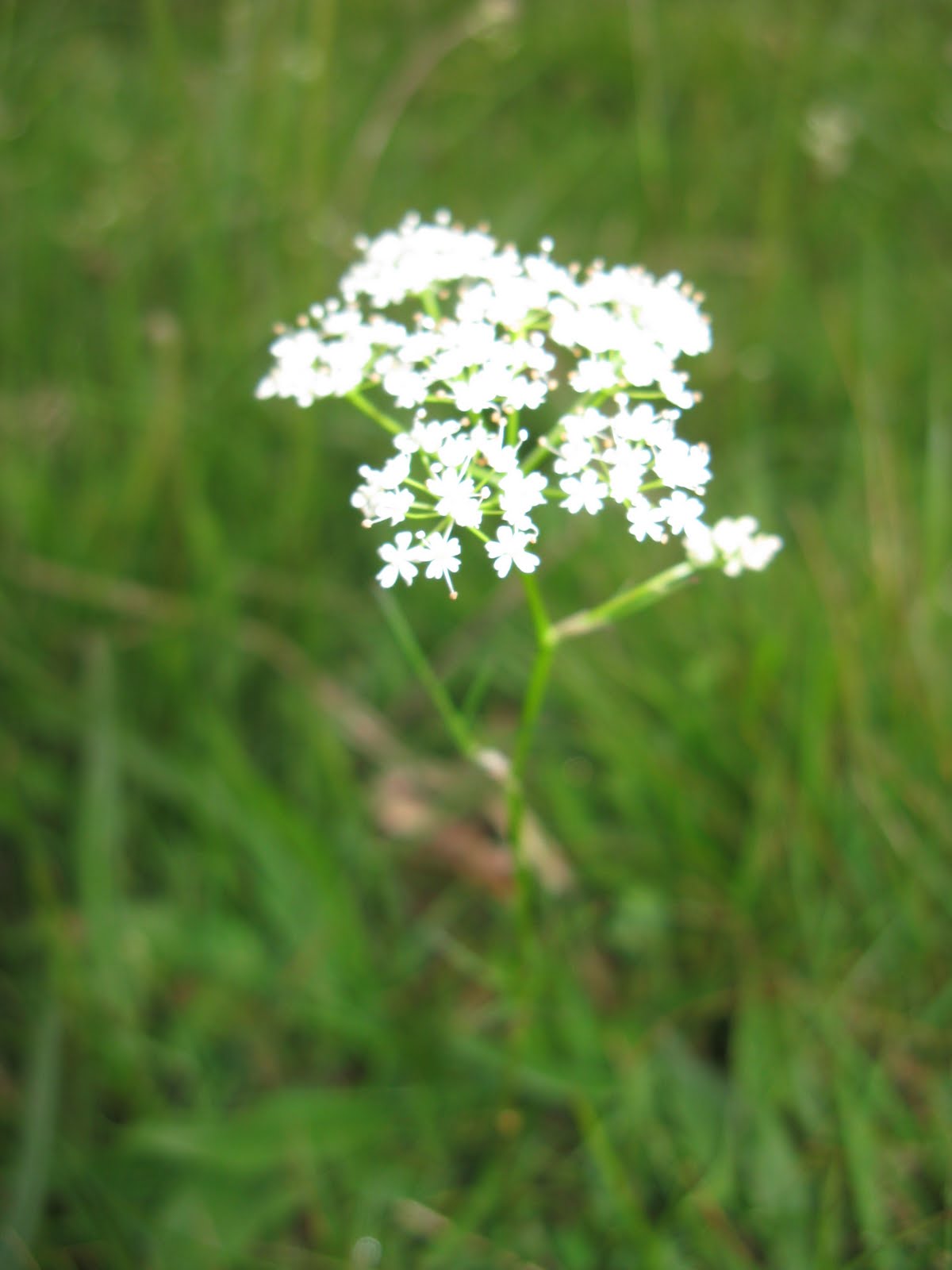


 In Egham (Surrey), things seemed earlier. The White dead nettle (Lamium album), Heath bedstraw (Galium saxatile), Greater stitchwort (Stellaria holostea), Pignut (Conopodium majus), Redshank (Polygonum persicaria), Pineapple mayweed (Chamomilla suaveolens), Hedge bindweed (Calystegia sepium), Skullcap (Scutellaria galericulata) and Green alkanet (Pentaglottis sempervirens) were all in bloom. In Great Windsor Park, feral Ring-necked parakeet (Psittacula krameri) and Red deer (Cervus elaphus) were both seen.
+frontal+near+fence+Kent.jpg)
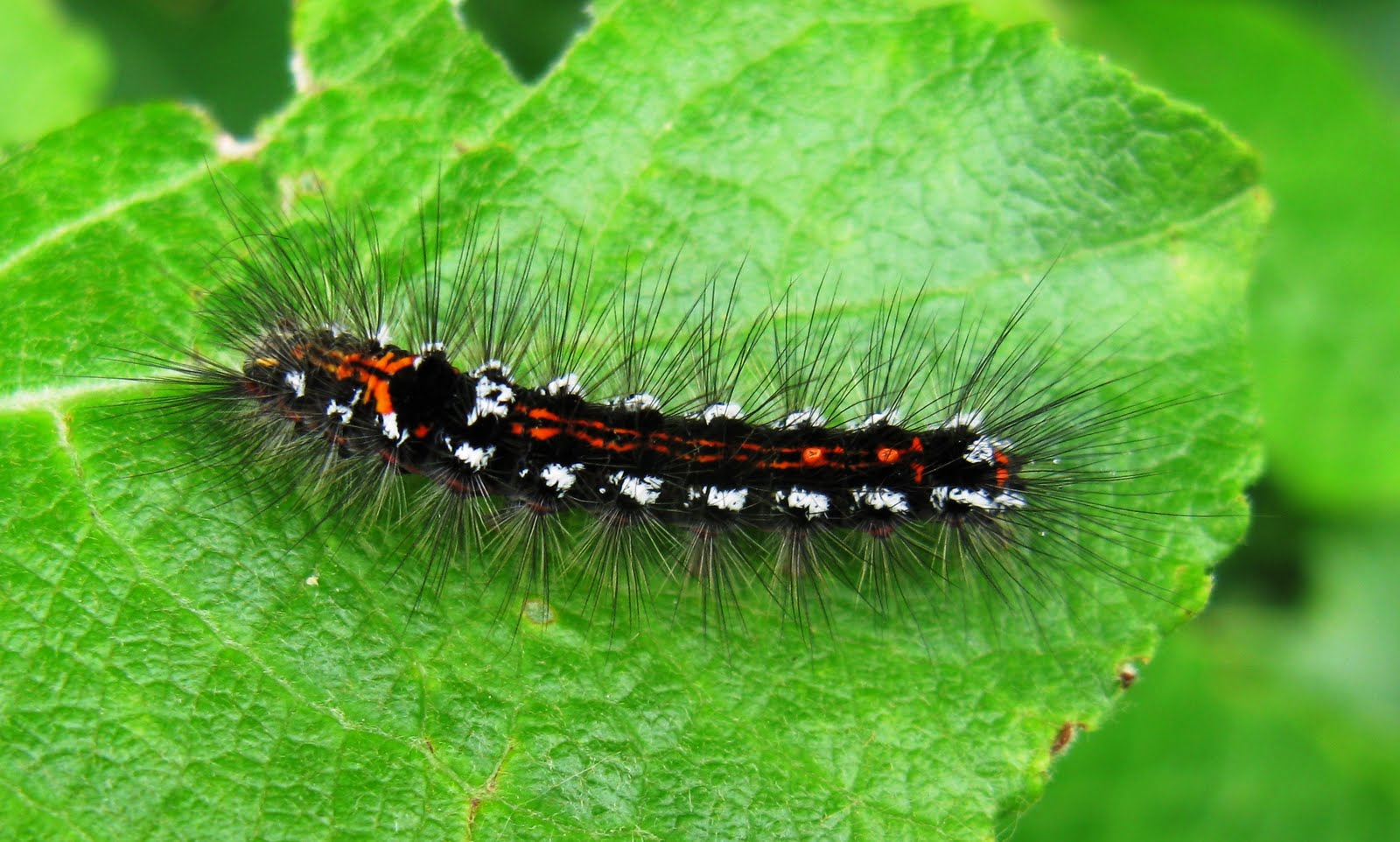


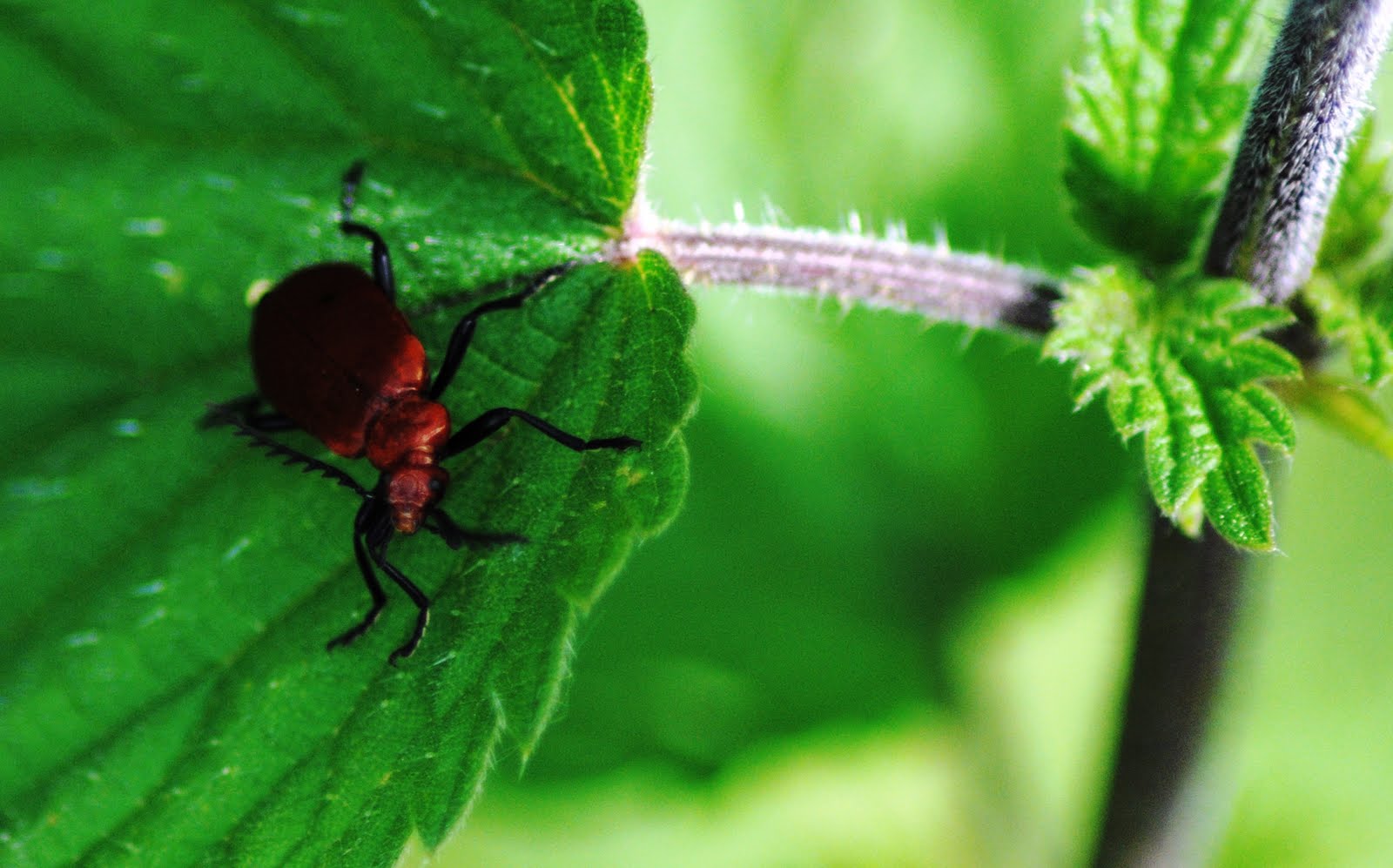

 Smooth sow-thistle (Sonchus oleraceus) and Vervain (Verbena officinalis) were both prominent in Loughor. A Lily beetle (Liloceris lilii) was spotted in the garden. There was a very wasp-like hoverfly (Chrysotoxum cautum) and a Rhagonycha fulva beetle by the river. In Bynea, the larva of a Drinker moth (Philudoria potatoria), a Small skipper (Thymelicus flavus) butterfly and a Cantharis rustica beetle were seen. In Penclacwydd, there were what appeared to be the larvae of the Yellow tail moth (Euproctis similis) feeding on Alder.


+frontal+Bynea.jpg)

 Sea bindweed (Calystegia soldanella) was in flower on the Swansea beach. On land, the Foxglove (Digitalis purpurea) was out. In Bynea, the Greater plantain (Plantago major), Slender thistle (Carduus tenuifloris), Tufted vetch (Vicia cracca), Meadow vetchling (Lathyrus pratensis), Nipplewort (Lapsana communis) and the alien Snowberry (Symphoricarpos albus) were blooming. The Goatsbeard (Tragapogon pratensis) was in parachute mode. There were also infestations of Peach-potato aphids (Myzus persicae). At Oxwich, Field forgetmenot (Myosotis arvensis) was in flower. Snipe fly (Rhagio scolopacea) were mating and several trees appeared to be unindated with sawfly larvae in 'tents'.

 Suddenly, lots of moths in Loughor. Visited by a Great oak beauty (Boarmia roboraria), a Brimstone (Opisthograptis luteolata) and a Common marbled carpet (Chloroclysta truncata).


%20mating%20NWCW.jpg)