Sunday, 24 May 2015

Rocket Falls to Earth?


It has been reported that a UK astronaut is advocating sending seeds of the rocket salad (I wonder if the name had any effect on this choice?) into space so that, on their return to Earth, they can be sent to large numbers of schools for children to determine whether the 'experience' had any effect on plant growth (http://www.bbc.co.uk/newsround/32801767). I'm sure that the intentions are educational and might well stimulate an interest in space science but the premise seems a little odd. It is well-established that plants growing under weightless conditions in space have difficulties with up and down but the pupils would be growing the seeds (along side 'regular' rocket seeds) under the full effects of gravity. I am uncertain what such a study might show (unless there is potential damage that results from travelling into space and back).

Boy Pain?


There is an interesting animal study in which human material was incorporated into mice, suggesting that the commonly-used and apparently safe pain-reliever, paracetamol, can, if taken as prolonged high doses in pregnancy, cause problems in male foetuses (http://www.theguardian.com/lifeandstyle/2015/may/20/paracetamol-use-pregnancy-male-foetus-testosterone-study). It seems to suppress the normal early surge of testosterone that 'masculinizes' those babies. It reportedly can increase the incidences of cryptorchidism where the testes fail to descend. The range of materials that impact on human reproduction seem to be ever increasing.

Only a Shell Company?


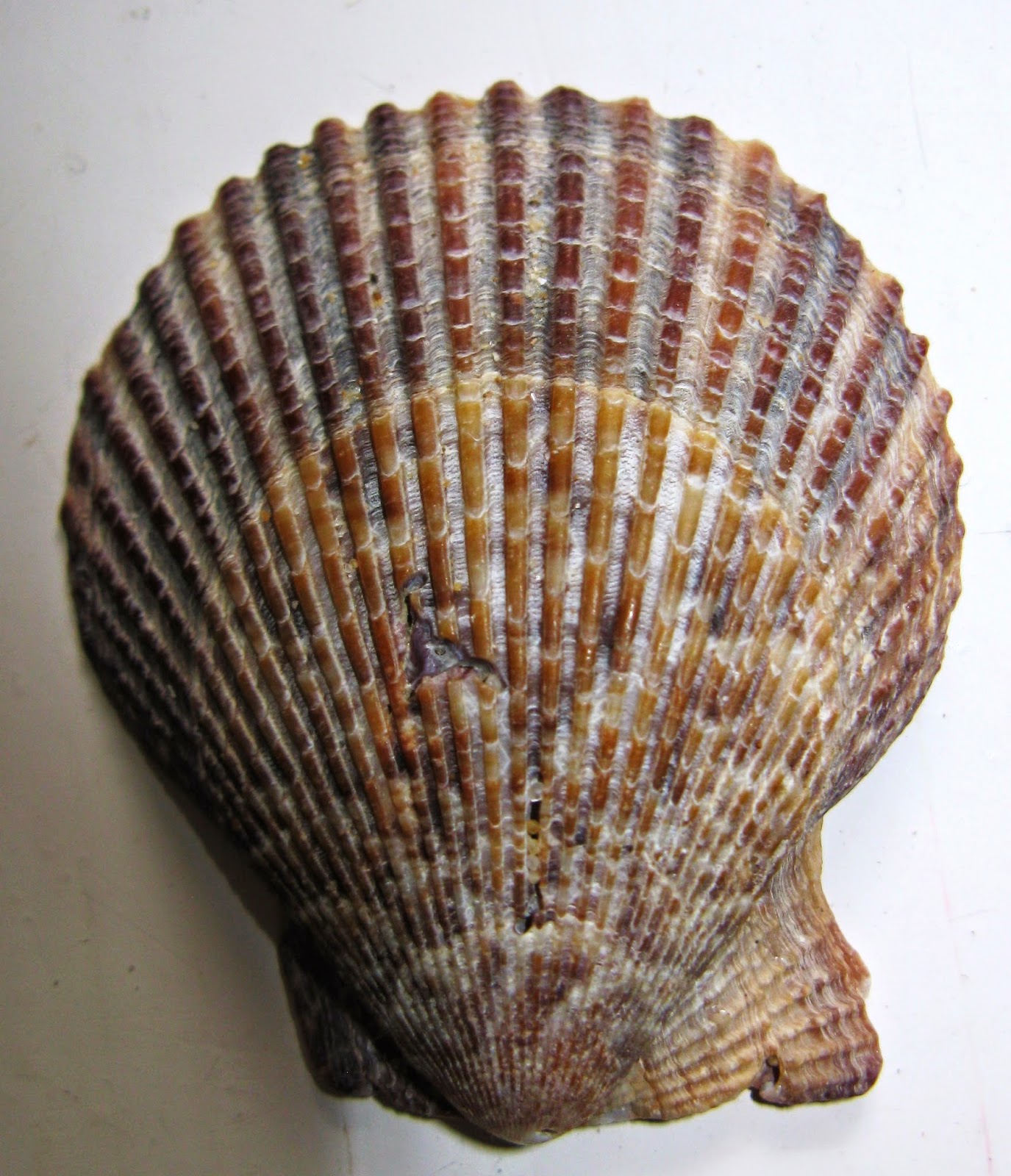
It seems (albeit belatedly) a move in the right direction that the Head of Royal Dutch Shell is admitting to concerns about the link between the burning of hydrochemical fuels and climate change (http://www.theguardian.com/business/2015/may/22/shell-boss-endorses-warnings-about-fossil-fuels-and-climate-change). This does, however, sit a little oddly with the group's enthusiastic plans for oil extraction in Alaska. They may not have noted it but their scallop symbol is also under threat as the released carbon dioxide is increasing ocean acidification, a process that could have devastating effects on all shelled inhabitants of our seas and the organisms that rely on them. Still, I don't suppose there will be too many executives around to worry about bonuses if the average world temperature goes up by 4 degrees Celsius! 

Wednesday, 13 May 2015

Seeing the Changes 966


Pencilled cranesbill (Geranium versicolor) was blooming in Loughor. In Bynea, spotted a Snipe fly (Rhagio scolopacea) and a bird that didn't get to fly.

Monkey Business: It's Not Just Art That Gets Stolen


A report has come in that 7 Golden lion tamarins and 10 Silver marmosets have been stolen from Beauval Zoo near Paris (http://www.theguardian.com/world/2015/may/12/monkeys-stolen-from-french-zoo-are-extremely-rare-and-fragile). These primates (actually the property of the Brazilian Government) are rare and have 'special dietary needs'. The thieves were, no doubt, attracted by the reported going rate for tamarins on the black-market said to be between £3,600 and £7200. These acts further endanger already seriously endangered animals.

Monday, 11 May 2015

Processed to Death?


There is a suggestion that the falling prices of processed foods in a number of countries (reportedly, an ice-cream in the UK has reduced in price by 50% between 1980 and 2012 as fresh fruit and vegetables have tripled their costs) have had a major impact on the 'obesity epidemic' that is afflicting populations (http://www.theguardian.com/society/2015/may/11/falling-price-processed-foods-obesity-crisis-tax). It is suggested that around 3.5k deaths a year in the UK are diet-related (apparently twice as many as die on the roads).A similar pattern is said to be becoming clear in many established and 'newly rich' countries across the globe. Experts have suggested that 'unhealthy foods' should attract additional taxes that could be used to reduce the costs of the (not especially helpfully expressed) 5 a day helpings of fresh stuff but I wouldn't hold my breath. As a professor at King's College London noted, we have trillions of symbiotic bacteria in our guts ('We never eat alone' as he puts it) and processed foods do not supply the materials for those bacteria to produce vitamins and other helpful chemicals in our large intestines.

Saturday, 9 May 2015

Seeing the Changes 965


More plants in bloom. In Loughor, Cultivated apple (Malus domesticus) was blossoming. In Bynea, Changing forgetmenot (Myosotis discolor) and Elder (Sambucus nigra) were in flower.