Sunday, 30 January 2011

Seeing the Changes 344

Snowdrops (Galanthus nivalis), Witch-hazel (Hamamelis spp) and Dandelion (Taraxacum spp) were all in flower outside in the National Botanical Garden of Wales. Even the female flowers of regular Hazel (Corylus avellana) were glowing red. It was so cold, however, that the Mallards (Anas platyrhynchos) and Coots (Fulica atra) could only stand on the ice.

Friday, 28 January 2011

Seeing the Changes 343

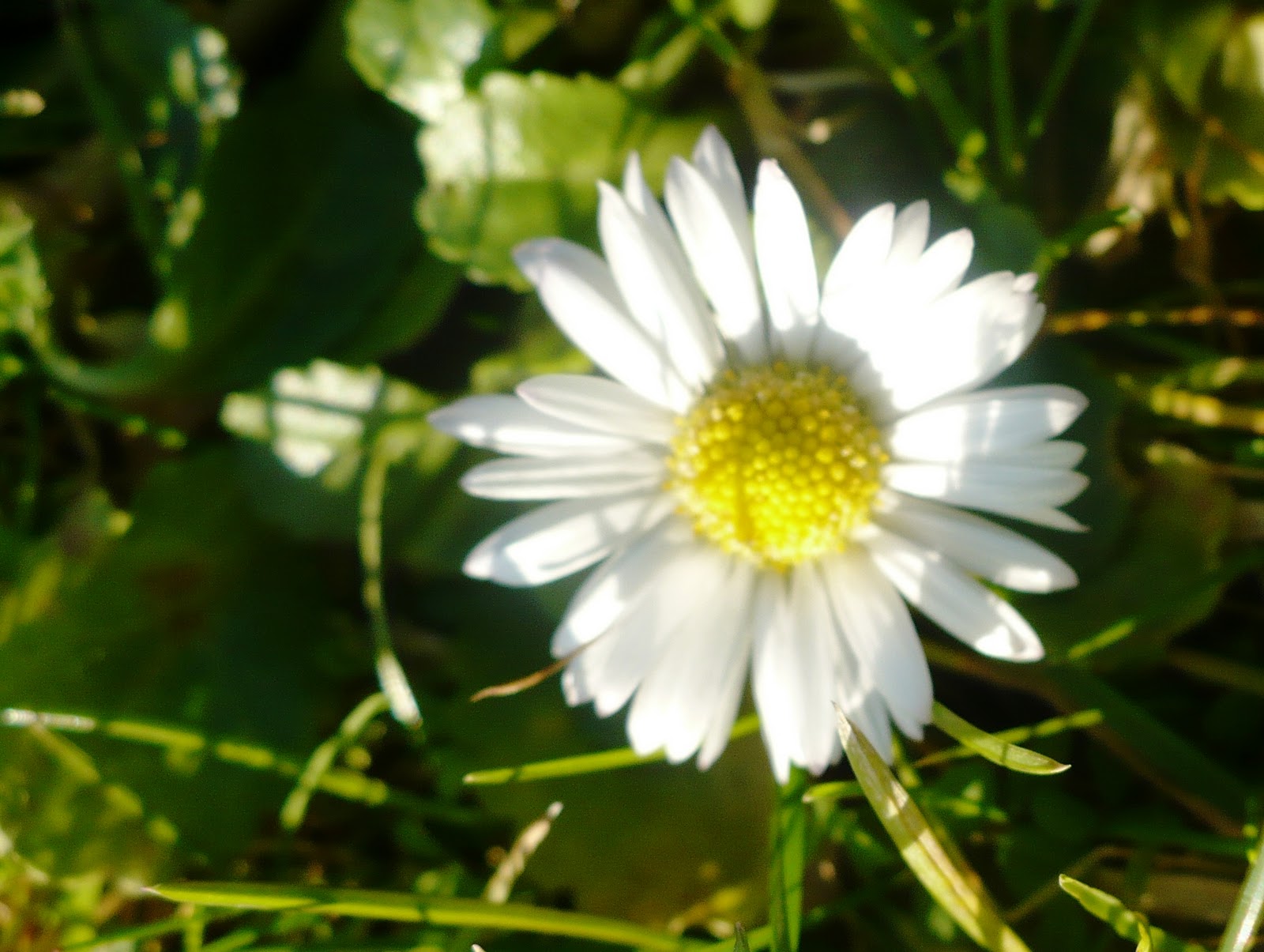
In Westcross, the Garden crocus (Crocus sativus), Daisy (Bellis perennis) and Winter heliotrope (Petasites fragrans) were all in flower.

Monday, 24 January 2011

Seeing the Changes 342


Being in Kent, one gets a clear impression of how Spring gradually glides up our island from South to North. Snowdrops (Galanthus nivalis) and Winter heliotrope (Petasites fragrans) are both in flower here and the Hazel (Corylus avellana) has yellow catkins. I also found lots of hibernating Harlequin beetles (Acrocinus longimanus) in an old house where there were nightly visits by European badgers (Meles meles meles) and Red foxes (Vulpes vulpes).

Tuesday, 18 January 2011

Seeing the Changes 341

A frosty night, followed by a sunny day. In Bynea, spotted Grounsel (Senecio vulgaris) in flower as well as the first butterfly of the year. The latter turned out to be a Small tortoiseshell (Aglais urticae), no doubt awoken prematurely from hibernation.

Birder's Bonus 90

Yesterday, around a dozen Oystercatchers (Haematopus ostralegus) were feeding in the grassy area inside the University running track. There was a dead bird of prey (a Kestrel?) near the Singleton Park Boating Lake.

Sunday, 16 January 2011

Wood For the Trees

The news that the UK Government's selling off of Forestry Commission land has resulted in people being excluded from traditional walking areas, in spite of access being a specified criterion, is rather sad but predictable (http://www.ramblers.org.uk/forestrysales). Some collections of conifers (grown essentially as a 'crop') are rather boring but it is not a good idea to make it harder for people on this crowded island to walk in woodlands and to appreciate the natural world around them. It also appears that builders are taking an interest in some of the locations on offer. Increasing urbanisation is a serious issue for what remains of wild life.

Wednesday, 12 January 2011

Bunfight at the OK Coral

It has been suggested that environmental changes will lead to the extinction of many important coral species within the next 50 years (http://www.guardian.co.uk/environment/gallery/2011/jan/11/worlds-most-important-corals). This is a serious problem as much of the ocean's biodiversity is located within coral reefs (much of this life is of great economic importance- quite apart from being photogenic and a powerful ecotourism pull factor). In deed, it has also be claimed that reefs per se may cease to exist by 2100. Specifying in years is a way of generating an impactful headline (and perhaps generating funding) but it is not an exact science.