Saturday, 3 September 2022

A Cognition Boost For Folk With Down's Syndrome?

People with Down's syndrome have an extra chromosome 21. In their 30's, Down's syndrome folk generally show cognitive decline. Mice, with an extra chromosome 16, given regular doses of Gonadotropin-releasing hormone (GnRH) showed improvements in cognitive ability and their sense of smell. This led to a study, of 7 Down's syndrome men, in their late 20's/early 30's. The subjects were fitted with a pump delivering a dose of GnRH every 2 hours for 6 months (https://www.theguardian.com/society/2022/sep/01/hormone-therapy-may-boost-brain-function-for-people-with-downs-syndrome-study-finds). Tests suggested that 6 out of the 7 participants showed moderate cognitive improvement, compared to an untreated control group. The hormone-treated group showed better attention and enhanced ability to understand instructions. Brain scans of the subjects also suggested improvements in neural connectivity in areas associated with cognition. There are, however, many limitations to this study. The group size was tiny and a traditional double blind design was not used (the subjects with the pumps knew they were getting the hormone treatment). There is debate about whether mice with an extra chromosome 16 are a good model for folk with Down's syndrome. Chromosome numbers, in different species, are somewhat arbitrary. Mouse chromosome 16, however, may not carry the same genes as chromosome 21 in humans. Further, the traditional tests for human cognition may not be wholly effective in Down's syndrome folk. There are also several unanswered questions. Is testosterone (stimulated by GnRH), the active factor in any changes? Could this enhanced androgen production also have unassessed detrimental effects on mood and behaviour? Would GnRH have any effects on females with Down's syndrome? The study is suggestive and is well worth following up. Many issues, however, have to be resolved here.

A Nose in the Past?

I suppose it should have been obvious but it seems evident, that animals (like dogs), relying largely on their olfactory sense (smell), operate in a social past. They get their information on who or what has been in the location and, perhaps, an idea of when that was. Animals (like humans) relying much more on their visual sense, operate in the present and/or the immediate future. It's all a question of timing?

Friday, 2 September 2022

Bristol Zoo Closure

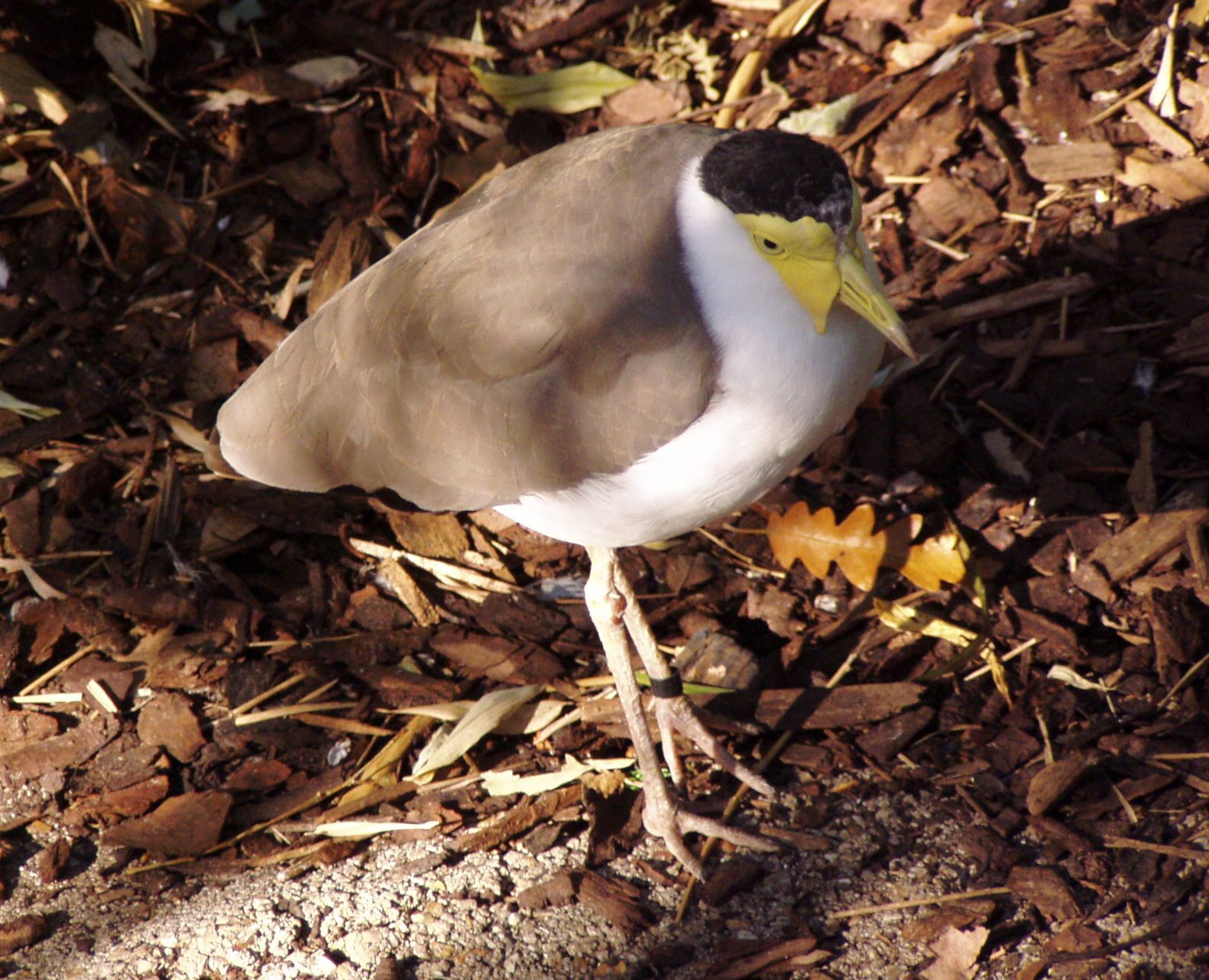
Bristol Zoo opened in 1836, making it the 5th oldest in the world. A combination of the economic pressures of the Covid19 pandemic and difficulty of heating some of its Victorian buildings, is forcing the Bristol Zoological Society to close and sell its Clifton site, after 186 years. Many of its animals will be moved to the Wild Place Project in South Gloucestershire (also owned by the Bristol Zoological Society). The Wild Place Project will eventually open as a 55 hectare 'walking safari park', with more space and environmental enrichment for the animals. The move will also take the beasts away from damaging city-centre traffic fumes (https://www.bbc.co.uk/newsround/62763823). For many years, I took groups of students to Bristol Zoo (some of the diverse critters are illustrated). I even saw my niece get married there!

A Concern About Climate Change Is Not a Minority Viewpoint (But It Might Feel Like It)?

A Yale University Climate Change Communication poll found that 66-80% of Americans support climate policies. A subsequent nationwide survey of 6,000 Americans, however, recently asked respondents to estimate the percentage of fellow countryfolk "at least somewhat concerned about climate change". The poll also requested participants to put a figure on the percentages of Americans, who would be likely to support specific climate policies (like the Green New Deal) (https://www.theguardian.com/commentisfree/2022/sep/01/us-voters-assume-fellow-americans-dont-favor-climate-bills). The average American, in the second survey, estimated that only 37-43% of the public support 'green' policies. This underestimate of concern by their compatriots for climate change and support for 'green' policies, occurred irrespective of the respondent's political orientation; education; age; race; media preferences and income. This false social reality has been termed 'pluralistic ignorance'. It probably comes about become because the views of climate change deniers, certain politicians, media 'stars' and self-interested 'industrialists' gets more traction than it actually deserves. Most Americans are concerned about climate change and each is far from being on their own. The same is also likely to be true of most other nations, where there is a free flow of information. Climate change mitigation needs collective action and it seems there is, at least, collective will.

Thursday, 1 September 2022

False Fall?

In Autumn (Fall) deciduous trees normally shed their leaves. These leaves are often beautifully coloured, as the tree recovers useful materials before excision. Many UK trees are already dropping their leaves but this is an attempt to survive recent excessive temperatures and drought (https://www.msn.com/en-gb/news/uknews/e2-80-98false-autumn-e2-80-99-caused-by-summer-drought-spells-trouble-for-nature/ar-AA10YMs9). False Autumns are a sign that the natural world is struggling. Changes outside their normal synchrony, represent challenges for plant and animal survival.

Britain: The Cold Man of Europe

The UK takes hardly any gas from Russia. In spite of this, the International Monetary Fund (IMF) says the energy crisis is hitting UK household budgets harder than in any other Western European country. The IMF also opines that costs between poor and rich UK households are strikingly unequal. The reasons for the UK's poor position in these respects, are its poorly-insulated homes and its current heavy reliance on gas to heat homes and produce electricity. (https://www.theguardian.com/money/2022/sep/01/energy-crisis-uk-households-worst-hit-in-western-europe-finds-imf). Gas, even that obtained 'locally' from the North Sea, has an 'international' price. Getting more gas from new North Sea prospecting or UK fracking, will certainly not drive down local prices. They will also drive up 'greenhouse gas' emissions. The UK's outgoing PM says ' it's madness not to build' a new £700m nuclear plant at Sizewell C (https://www.theguardian.com/politics/2022/sep/01/boris-johnson-takes-jibe-at-liz-truss-plans-for-fracking-and-north-sea-drilling). A nuclear plant, however, takes much too long to bring on line, as well as leaving the builders with safety and disposal problems. Experts all agree that the UK needs a rapid, large scale insulation programme and faster roll out of wind and solar energy. Simples!

The UK's 'Cycling Revolution' Quickly Stalls

There are very good reasons for wanting to encourage more UK folk to use bicycles rather than cars, for short journeys. Switching from cars reduces the harmful emissions, poisoning the atmosphere and increasing global heating. Bicycle riding is also very good cardio-vascular exercise, with a limited impact on joints. One of the few good things to come out of the Covid19 pandemic, was a marked UK increase in bicycle use. Government sought to build on this by, in 2020, funding a £2bn plan to boost rates of cycling and walking (https://www.theguardian.com/uk-news/2022/sep/01/number-of-people-cycling-in-england-falls-a-year-after-2bn-plan). In the pandemic, there were many fewer cars on the roads. Some councils even created temporary cycle-only lanes. Public transport might also have been judged, at this time, more risky than bike riding. Infection transmission is more likely in a shared, enclosed space. Between November 2020 and November 2021, the Department of Transport found a 1.5% reduction in the number of people cycling at least once a week for any purpose, compared to the pandemic year. Only 13.1% of adults cycled once a month, in the year ending November 2021, making it the lowest rate, since surveying began. Cycling for leisure showed the biggest drop and young people showed a marked decline. There could be many reasons for cycle use falling. Perhaps people now regard riding a bike as being more risky than at the time of the pandemic. £2bn sounds a big figure but, adapting UK roads for cyclists and pedestrians, starts from a very low baseline.